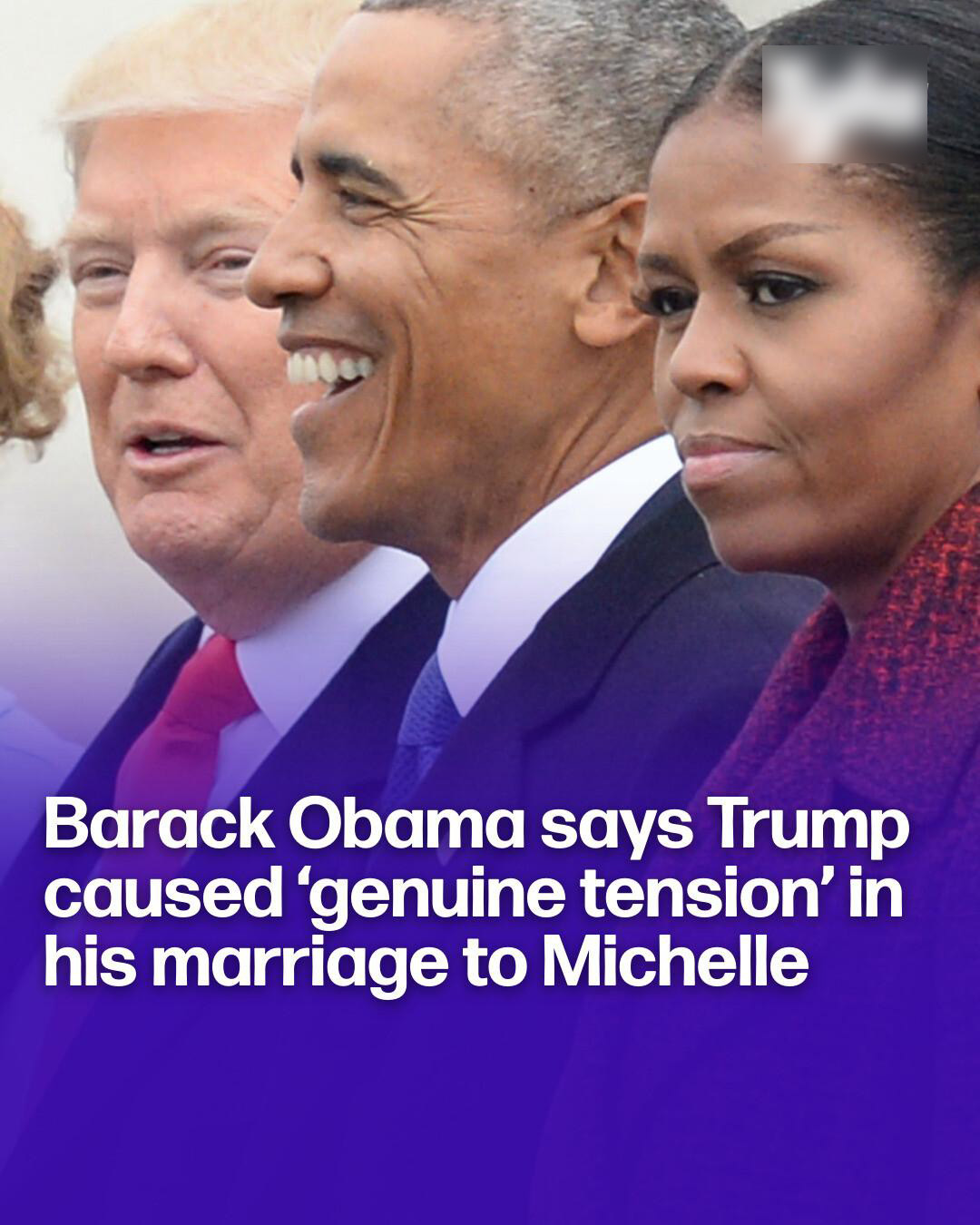

Barack Obama has spoken candidly about how the pull to stay active in politics, especially during and after his public sparring with Donald Trump, has put pressure on his marriage to Michelle Obama. In a thoughtful, reflective conversation, he acknowledged that even years after leaving the White House, the expectations placed on him have not faded. If anything, they have taken on a new shape, touching not only his public life but also the quieter rhythms of home.
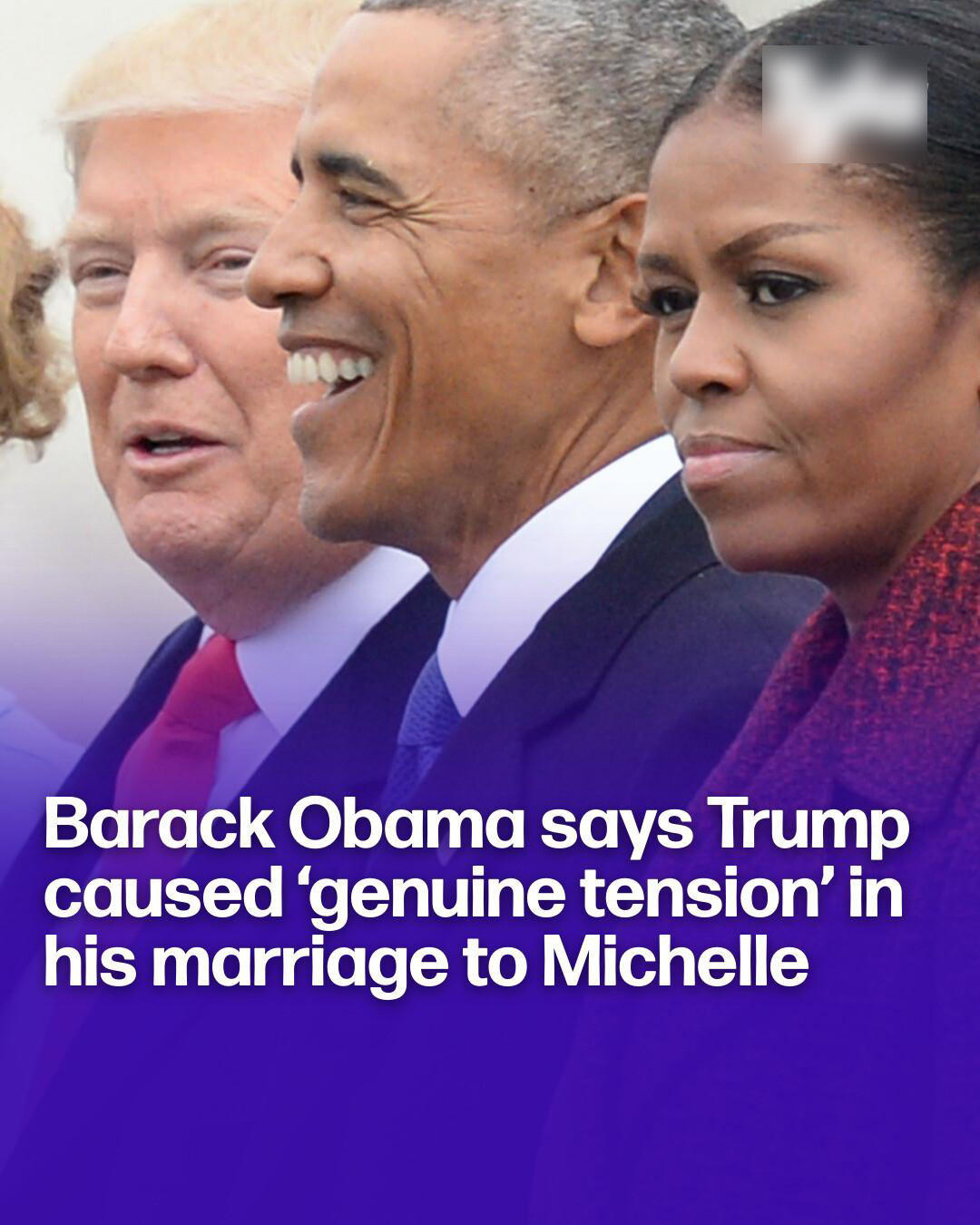
For many couples, retirement or the years that follow a demanding career can be a time to slow down and reconnect. Barack and Michelle Obama, married since 1992, hoped to enjoy more of that time together. They raised two daughters—Malia, now 27, and Sasha, 24—while living under an intense national spotlight. With his presidency behind him, the former president, 64, imagined a step back might be possible. But the tides of American politics, and the ongoing call for his voice, have made that balance more complicated than he once expected.
Life After the White House Is Not as Quiet as It Looks
When a president leaves office, the assumption is that public life softens, appearances become occasional, and the pace of work eases considerably. In Obama’s case, that has not been the reality. He continues to be a central figure in the Democratic Party—participating in campaigns, speaking at events, and advising emerging leaders. His successor, Donald Trump, frequently invokes Obama’s record and presence, which often prompts supporters and critics alike to turn back to Obama for a response.
That constant drumbeat—requests to speak, to travel, to endorse, to fundraise—creates an ongoing tension between what Obama feels called to do publicly and what his family hopes for privately. It is the kind of conflict many people recognize: the tug between civic duty or professional purpose and the responsibility to nurture the relationships that matter most.
A Marriage Tested by Public Demands
In a recent interview, Obama explained that the strain is less about disagreements at home and more about the sheer weight of expectations pressing in from the outside. He shared that Michelle, 62, is especially mindful of how full his schedule remains and how often he is asked to return to the campaign trail.
“She wants to see her husband easing up and spending more time with her, enjoying what remains of our lives.”
He did not gloss over the difficulty of that balance. “It does create a genuine tension in our household, and it frustrates her. I’m more forgiving of it, in the sense that I understand why people feel that way, because people aren’t looking at me in historical comparison to other Presidents.”
To underscore his point, Obama noted that public memory is short, and comparisons to how other former presidents behaved in retirement rarely factor into today’s expectations. “They don’t care about the fact that no other ex-President was the main surrogate for the Party for four election cycles after they left office.”
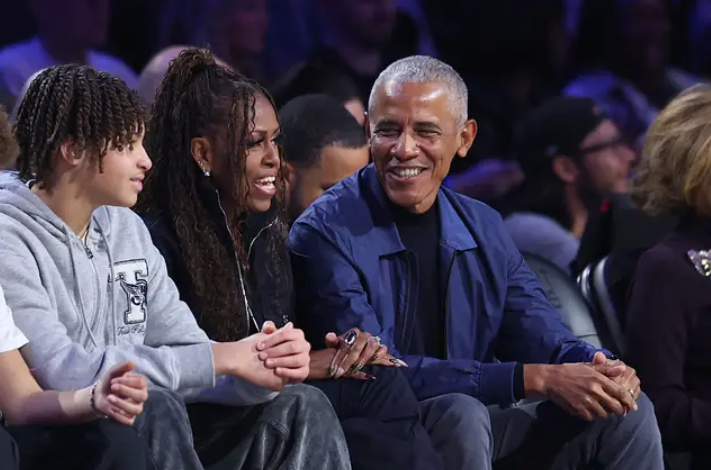
For Michelle, the equation is straightforward: time together matters. After decades of demanding schedules, raising children under a microscope, and weathering the storms of public life, the prospect of calmer, less scripted days is immensely appealing. Her point of view is easy to understand for anyone approaching their later working years or retirement. There comes a moment when the most valuable commitments are not the ones on a podium but the ones around the dinner table, on a quiet walk, or shared in long, unhurried conversations.
Obama recognizes that truth. His willingness to say out loud that public pressure has caused “genuine tension” at home is not a complaint so much as a clear-eyed picture of real life. Even when a couple is united in values and purpose, the demands of the wider world can seep in and reshape priorities in ways that require care, patience, and ongoing negotiation.
Why People Keep Asking Obama to Do More
Obama also sees a hopeful side to all the attention. In his view, the calls for him to keep showing up suggest that people still believe leadership and persuasion can make a difference. He framed that impulse as a sign that the country may not be as divided or dramatically changed as some fear.
He said the pressure indicates “there has not been as decided a shift in American attitudes as we are making out. And that’s part of the reason people are frustrated.”
He understands that frustration can take many forms, and he does not take it personally when people aim it at him. “Sometimes it’s directed toward me, which is fine because they kind of sense, Wait, how can we be doing this when I know that’s not who we were? And I don’t think it’s really who we are now.”
There is a broader lesson tucked inside that reflection. People ask certain familiar voices to return because they hope those voices can bridge divides, re-center the national conversation, and reassure them that their values still matter. For an ex-president, that expectation can be both a compliment and a burden.
Trump’s Continued Presence Keeps Obama in the Arena
The interview also made clear that Trump’s actions have, at times, drawn Obama back into public debates more than he would prefer. Since leaving office, Obama has remained active in every election cycle—campaigning around the country, appearing at rallies, speaking at key moments, and raising funds to support candidates and causes he believes in. Each of those decisions, however, means another flight, another late night, another stretch away from home.
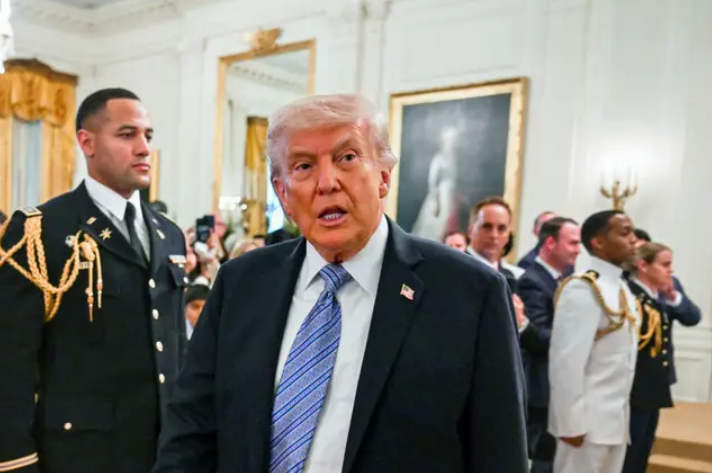
When a national figure like Trump dominates headlines, it often compels past leaders to respond, if only to clarify facts, offer a contrasting vision, or encourage participation in the political process. That dynamic—responding to the immediate while trying to think long-term—adds pressure to a calendar that might otherwise be reserved for family, rest, and reflection. The cycle can be hard to break, particularly when supporters are insistent and opponents are loud.
Obama’s circumstances are unusual, but the underlying conflict is familiar. Many people in their 50s and 60s feel a similar push and pull. They want to contribute, to mentor, to stay useful, and to stand up for what they believe. At the same time, they are conscious that time with a spouse, grown children, and close friends is precious. Striking that balance is an ongoing project, not a one-time decision.
Responding to a Controversial Social Media Post
The conversation also touched on a widely criticized Truth Social post involving the Obamas—described by many observers as racist because it depicted the couple as apes. When asked about it, Trump declined to apologize and later told reporters he “didn’t see” the portion of the video that featured the Obamas.
Obama’s response emphasized principle over outrage. “I don’t take it personally, I mean, I’m always offended when my wife and kids get dragged into things, because they didn’t choose this … That’s a line that even people whose politics I deeply reject, I would expect them to care about. I would never talk about somebody’s family in that way.”
That stance speaks to a standard of decency that many Americans of every political stripe recognize. Policy disagreements are expected and even healthy in a democracy. But families—especially spouses and children who did not seek public roles—deserve a measure of respect. For Obama, that line is bright and nonnegotiable.
At Home, the Most Important Work Is Quiet
Underneath the public quotes and headlines lies a simple truth: after decades of service and sacrifice, Michelle wants more unhurried time with her husband. Her wish is grounded in love and in the hard-earned wisdom that busy calendars can crowd out the moments that make a life together rich and satisfying. Obama does not dismiss that wish; he shares it. The tension he describes is not about competing values so much as it is about timing and pace.
For couples who have spent years in demanding careers, the transition to a different rhythm can take time. It often involves renegotiating roles, rethinking how much to say yes to, and learning how to protect time that might otherwise get swallowed by other people’s expectations. In the Obamas’ case, the stakes are amplified by the national stage, but the underlying decisions—when to travel, when to speak, when to rest—are the same ones many households face.
Obama’s openness about this season of life may feel familiar to anyone who has ever tried to balance a meaningful calling with meaningful relationships. There is pride in the difference one can make, and there is also humility in admitting that no public success can replace the comfort of simply being present at home. That blend of purpose and presence is challenging to maintain, but it is also what makes the effort worthwhile.
What Supporters and Critics Might Take Away
For those who admire Obama and wish he would do even more, his remarks offer a reminder that public figures are also spouses and parents. The desire to hear from him—to have him campaign harder, speak more often, and weigh in on every controversy—comes from a place of hope. People believe his voice still has power. He sees that, and in his words, he’s “more forgiving” of the pressure because he understands why it exists.
For those who are critical, his comments also invite a broader perspective. Even if one disagrees with his policies or his approach, the boundary he draws around family is a standard many can agree on. Political disagreements will continue. But how leaders and citizens talk about one another’s loved ones matters. It sets the tone for the kind of country we want to be.
It is also helpful to remember that former presidents play different roles after they leave office. Some step back. Others become active advocates. Obama has chosen to stay engaged, but not without cost. Each event he attends is a choice weighed against the quiet, important work of being a husband, a father, and a friend.
Looking Ahead: Purpose, Patience, and Presence
So where does that leave the Obamas today? Somewhere honest and human—navigating the competing pulls of service and serenity. Obama is still a key player in the national conversation, and many will continue to look to him for guidance during election seasons. At the same time, he and Michelle are entering a stage of life when the simple pleasures—a shared breakfast, a walk in the neighborhood, a weekend without a flight to catch—carry more meaning.
His acknowledgment of “genuine tension” is not a sign of a fractured marriage. It is a sign of two people working carefully to protect what matters most while living within unusual circumstances. That dynamic will likely continue as the country moves through new political cycles and fresh debates. The balance may shift from year to year, but the conversation at the heart of their home remains the same: how to keep faith with their values, their partnership, and the hopes they carry for their family.
For many readers, especially those between 45 and 65, that picture might feel familiar. Perhaps you have cut back on work to spend more time with family, or perhaps you continue to say yes to projects because you still feel called to contribute. Maybe you, too, are figuring out what engagement looks like in this season of life. Obama’s comments serve as a gentle reminder that we can honor our responsibilities to our communities without losing sight of the responsibilities to the people we love.
In the end, Obama’s remarks are less about politics than about priorities. He will keep speaking when it matters. He will keep showing up when he believes he can help. But he also knows that the worth of those efforts is tested at home—where the calendar is not filled with rallies and microphones, but with the everyday kindness and attention that sustain a marriage. That is not a retreat from public life; it is the foundation that makes public life possible.
And so, as new headlines arrive and old debates resurface, the picture that emerges is of a couple staying true to themselves. They are weighing the calls for more appearances against the call to be fully present for each other. They are listening closely—to the country, and perhaps more importantly, to the quiet wisdom of home.