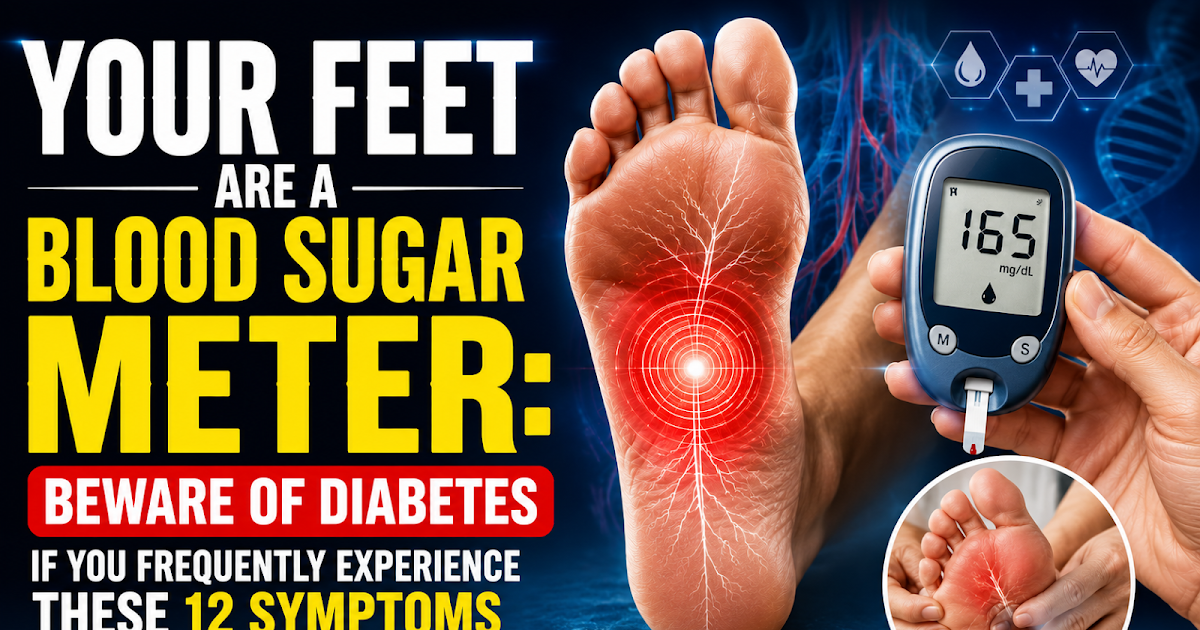

If your feet have been tingling, burning, feeling unusually cold, or not healing well, it might be more than simple tiredness or getting older. For many people, the feet are often the first place that diabetes and high blood sugar begin to show. Paying attention to what your feet are telling you can help you spot problems early, protect your nerves and circulation, and stay more comfortable day to day.
Think of your feet as a quiet warning system. When blood sugar stays high for long periods, it can slowly damage the nerves and narrow the blood vessels that carry oxygen and nutrients. Because your feet are farthest from your heart, they often feel the effects first. That is why doctors sometimes say your feet can act a bit like a natural blood sugar meter.
Why diabetes often shows up in the feet first
High blood sugar over time can harm nerves, a condition called diabetic neuropathy. It can also reduce blood flow by affecting the blood vessels, sometimes called poor circulation. Nerves need a healthy blood supply to work well, and your skin and muscles need it to heal. When nerves or circulation are affected, you may notice changes in feeling, temperature, color, and healing in your feet long before you notice anything else.
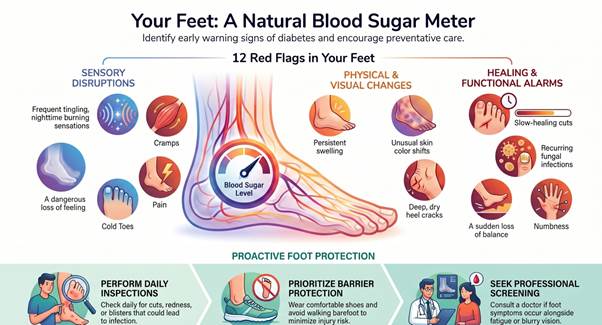
Below are 12 common foot symptoms linked with diabetes. If you recognize several of these signs happening often, it is a smart idea to have your blood sugar checked and to talk with a healthcare professional.
1. Tingling or pins-and-needles in the feet
That prickly, buzzing, or pins-and-needles feeling—sometimes like tiny electric zaps—can be an early sign that nerves in your feet are irritated. Many people notice it more when they are resting or at night, but it can happen any time. Over time, high blood sugar can wear down the protective coating on nerves, which makes them misfire and create these odd sensations.
If tingling comes and goes occasionally, it might be easy to dismiss. But if it keeps showing up, lasts longer, or is joined by burning or numbness, it is worth checking your blood sugar and discussing it with your doctor.
2. Burning feet, especially at night
Burning pain in the feet is a very common complaint among people with diabetes. It may feel like your feet are too hot to the touch, even if they are not warm on the outside. The feeling often worsens in the evening and can disrupt sleep. This is usually related to nerve irritation and is sometimes called small fiber neuropathy.
Gentle foot care can help with comfort, such as wearing breathable socks and avoiding heating pads if you have any numbness. Most important, work with your healthcare provider to keep blood sugar in a healthy range, because that is what protects the nerves over time.
3. Numbness or loss of feeling
Numbness is one of the most serious foot changes because it can hide injuries. If you cannot fully feel pain or temperature, a blister, cut, or even a small stone in your shoe might go unnoticed and become infected. Some people describe it as feeling like they are wearing socks when they are barefoot.
Check your feet daily if you notice any numbness. Look at the bottoms, tops, and between the toes. If you have trouble seeing your soles, use a mirror or ask a family member for help. Seek medical care quickly for any sore, redness that spreads, or drainage, because early treatment prevents complications.
4. Foot or calf cramps, often at night
Cramping in the arches, toes, or calves—especially at night—can be a sign of poor circulation. When blood flow is limited, muscles may not get enough oxygen, leading to cramping during rest or with activity. While cramps can also come from dehydration or low minerals, they deserve attention if they happen often alongside other foot symptoms.
If your cramps are frequent or occur with walking and ease when you stop, mention this to your doctor. It could be a clue that your blood vessels are not delivering enough blood to the legs and feet.
5. Cuts, blisters, or sores that heal slowly
One classic warning sign of high blood sugar is slow healing. Even a small nick from trimming toenails, a blister from a new shoe, or a scrape can linger for weeks. High glucose can weaken the immune system and narrow the blood vessels, both of which slow the healing process.
Watch for wounds that do not shrink after a few days, become more painful, look red or swollen, feel warm, or develop drainage or a bad odor. These deserve prompt care. Quick treatment, along with good blood sugar control, prevents small problems from turning into serious infections.
6. Dry, cracking skin on the feet
Diabetes can reduce the amount of natural moisture your skin makes, and it can also affect the nerves that control sweating. The result is dry, flaky skin that may crack—especially around the heels. Cracks, even tiny ones, allow germs to enter and can start infections that are slow to heal.
Moisturizing daily helps protect the skin. Apply a thin layer of lotion or cream to the tops and bottoms of your feet, but avoid the area between the toes where too much moisture can lead to fungal problems.
7. Swelling in the feet or ankles
Swelling may come from several causes, including poor circulation in the legs, nerve problems, kidney strain, or heart issues—all of which can be linked to diabetes. You might notice your socks leaving deeper marks or your shoes feeling tight by the afternoon.
Occasional mild swelling after a long day can be normal, but swelling that is persistent, worse on one side, or accompanied by pain, redness, shortness of breath, or chest discomfort should be checked without delay. These signs may point to problems that need prompt attention.
8. Foot pain when walking that eases with rest
Pain in the feet or calves during walking that improves when you stop is called claudication. It can be a sign that the arteries are narrowed and cannot provide enough blood to your muscles during activity. People sometimes describe it as tightness, aching, or a heavy feeling in the calves or feet.
Because diabetes can contribute to narrowed arteries, it is wise to mention this pattern to your healthcare provider. Good management of blood sugar, blood pressure, and cholesterol helps protect your circulation.
9. Changes in foot color
Healthy feet usually have a fairly even color. If you notice your feet looking unusually pale, bluish, or reddish, or if the color changes when you raise or lower your legs, that could be a circulation clue. Shiny, thinning skin or less hair on the toes and feet can also signal reduced blood flow.
Color changes do not always mean diabetes, but when they appear alongside tingling, pain with walking, or slow-healing wounds, it is important to have your feet and blood sugar evaluated.
10. Cold feet, even in warm rooms
Cold feet may reflect limited blood reaching the area. When arteries narrow, less warm blood arrives, and your feet can feel chilly even when the rest of you is comfortable. Some people also notice weak pulses in the feet.
If your feet are often cold and you also have numbness, discoloration, or cramping, bring this up with your doctor. While other conditions can cause cold feet too, diabetes-related circulation changes are a common reason.
11. Frequent fungal infections or toenail changes
High blood sugar creates an environment where fungus can thrive. Athlete’s foot between the toes and thick, yellowed toenails are both common in people with diabetes. While these issues may seem minor, untreated fungal infections can crack the skin and become doorways for bacteria.
Keep feet clean and dry, change socks daily, and have toenail changes checked, especially if trimming nails is difficult or painful. Treatment is usually straightforward, and early care helps prevent more serious problems.
12. Feeling unsteady or losing balance
When nerves in the feet are damaged, the brain receives less accurate information about where your feet are and how they are touching the ground. This can make you feel wobbly, especially in the dark or on uneven surfaces. You might find yourself watching your feet more closely when you walk or feeling unsure on stairs.
Use good lighting at night, wear supportive shoes indoors, and talk with your provider if you notice increasing unsteadiness. Physical therapy, exercises for strength and balance, and managing blood sugar can all help reduce fall risk.
Why these signs should not be ignored
Many people live with undiagnosed diabetes for years, and damage can quietly build during that time. The good news is that catching problems early makes a big difference. With timely testing and care, you can often calm nerve symptoms, improve circulation, and avoid complications such as infections, ulcers, and, in severe cases, amputations. Protecting your feet also protects your overall health, including your heart, kidneys, and eyes.
When to consider a blood sugar test
If you recognize two or more of the symptoms above happening frequently, it is wise to get your blood sugar checked. This is especially important if you are over 45, have a family history of diabetes, carry extra weight around your middle, have high blood pressure or high cholesterol, or have had diabetes during pregnancy. A simple blood test—such as fasting glucose or A1C—can show whether your levels are in a healthy range.
Do not wait for severe pain to appear before seeking help. Nerve and circulation changes can be quite advanced by the time strong pain shows up, especially if numbness is present.
Everyday habits that protect your feet
Daily care goes a long way. The steps below are simple, and together they add up to strong protection for your feet and your long-term comfort.
Look at your feet every day
Check the tops, bottoms, heels, and between your toes. You are looking for cuts, blisters, redness, swelling, cracks, or changes in color. If you cannot see the bottoms easily, use a mirror or ask for help. Catching small problems early prevents big ones.
Keep your blood sugar in range
Steady glucose is the best long-term protection for nerves and blood vessels. If you use a meter or continuous monitor, follow your plan and share patterns with your healthcare team. Small improvements add up and can ease symptoms like tingling and burning.
Choose shoes that are comfortable and protective
Look for shoes with a roomy toe box, soft lining, and good support. Avoid tight, pointed, or high-heeled shoes that create pressure points. Always check inside your shoes with your hand before putting them on to be sure there are no pebbles or rough seams.
Wash and moisturize wisely
Clean your feet with warm—not hot—water and gentle soap. Dry carefully, especially between toes. Apply a light moisturizer to keep skin from cracking, but skip the spaces between the toes to avoid excess moisture there.
Do not go barefoot, even indoors
Wear shoes or supportive slippers with a firm sole to prevent cuts and protect against stubbing toes. If you have any numbness, this is especially important.
Stay active most days
Regular movement helps your circulation. Walking, gentle cycling, or water exercise are all good options. If walking causes pain, let your provider know—this is important information that can guide your care.
Trim toenails with care or get help
Cut nails straight across and smooth the edges with a file. If nails are thick, hard to reach, or if you have poor vision or numbness, consider having a podiatrist help with nail care.
Ask about a yearly foot exam
A healthcare professional can check your skin, nails, circulation, and nerve function. They can also suggest the right socks, insoles, or special footwear if you need extra protection.
Final thoughts
Your feet can give you early, helpful clues about your blood sugar and circulation. Tingling, burning, numbness, coldness, swelling, color changes, pain with walking, and slow-healing sores are not just annoyances; they are messages. Listening to them now can save you discomfort later and help you stay active and independent.
If several of these signs sound familiar, reach out to your healthcare provider and ask about a simple blood sugar check. Early action protects your nerves, improves healing, and lowers the chance of serious complications. The sooner you know, the sooner you can feel better.
Questions and answers
Can your feet really show early signs of diabetes?
Yes. The feet are far from the heart and rich in small nerves and blood vessels, so they often show the effects of high blood sugar first. Tingling, burning, numbness, coldness, slow-healing sores, and unusual pain can all be early clues that nerves or circulation are being affected.
Why do people with diabetes get tingling or numbness in their feet?
Over time, high blood sugar can damage the protective covering of nerves, making them misfire or go quiet. This can create tingling, pins-and-needles, burning, or numbness. The medical term is diabetic neuropathy. The best protection is keeping blood sugar in range and getting care early if symptoms appear.
Are cold feet a sign of diabetes?
Cold feet can have several causes, but they are sometimes linked to diabetes because narrowed blood vessels may carry less warm blood to the area. If your feet feel cold along with numbness, color changes, swelling, or pain with walking, it is wise to be evaluated.
Why do sores on the feet heal slowly when blood sugar is high?
High glucose can weaken the immune system and reduce circulation, which slows the delivery of oxygen and nutrients needed for repair. That is why even small cuts can take longer to heal and are more likely to get infected. Quick attention to any foot wound is important.
How can I protect my feet if I have diabetes or high blood sugar?
Check your feet daily, wear comfortable protective shoes, keep skin clean and lightly moisturized, avoid walking barefoot, and stay active to support circulation. Most important, work with your healthcare team to keep blood sugar in a healthy range. Regular checkups, including a yearly foot exam, can help catch issues early and keep you on your feet with confidence.